A suitable alarm system requires more than a control panel and sensors placed around the property. The right Security Alarms should suit the building, the people who use it, the areas that require protection, and the level of response you expect when the alarm is triggered.
A small flat, family home, shop and office can all have very different security requirements. The most suitable system is therefore the one designed around the property rather than a standard package selected without looking at the risks.
Look at How Someone Could Enter the Property
Start by considering the actual entry points. Front and back doors are obvious places to protect, but they are not the only ones. Windows at ground level, garage doors, side entrances and less visible access points can also need attention.
Walk around the property and think about which areas are easy to approach without being noticed. A hidden rear door may represent a bigger concern than a highly visible front entrance.
This simple assessment gives you a much clearer idea of where sensors and other alarm components may be needed.
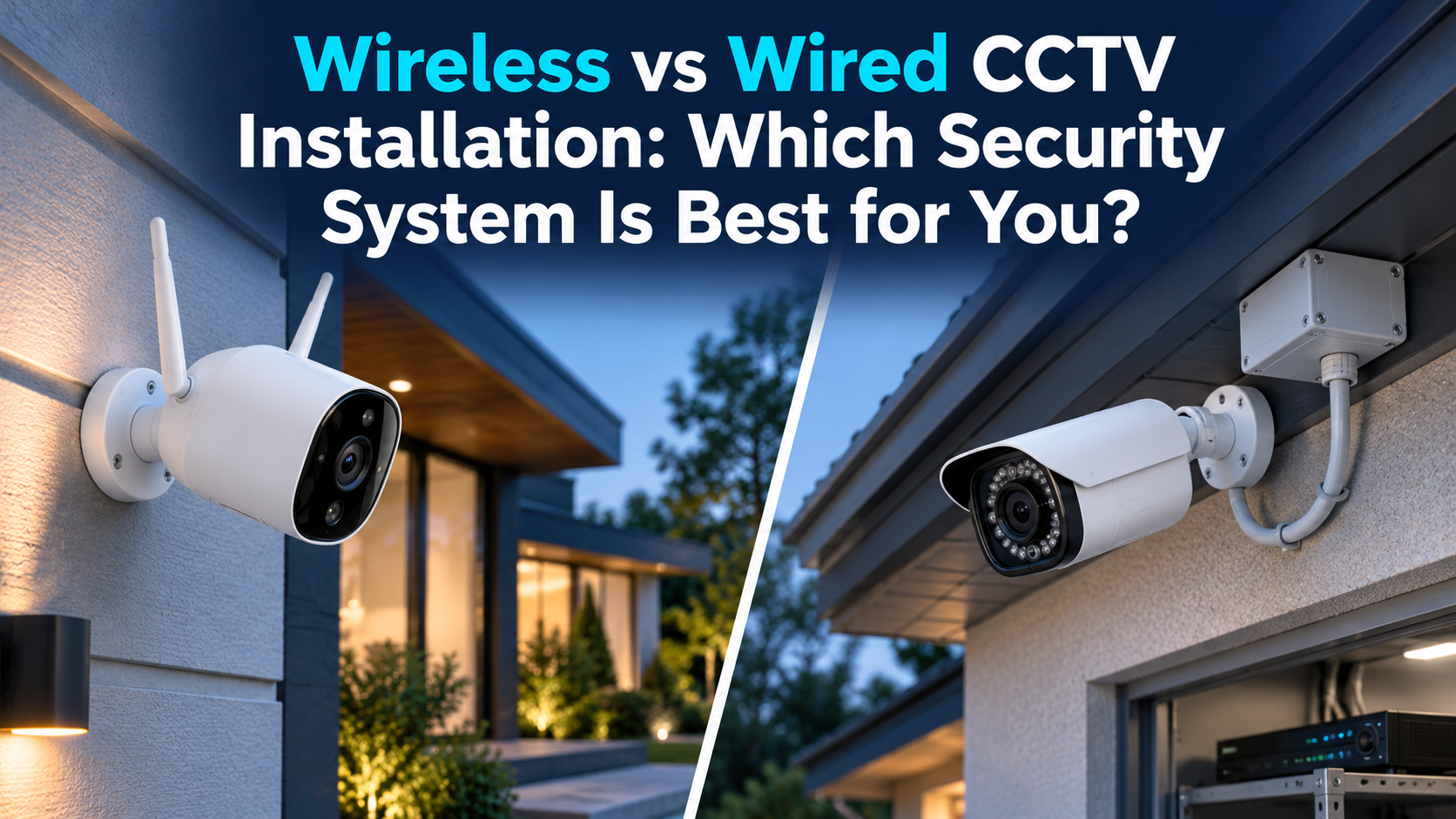
Choose Between Wired and Wireless Systems
One of the first decisions is whether a wired or wireless alarm system makes more sense. Wired systems can be a strong choice where permanent installation is practical. They can work particularly well in properties undergoing renovation or where cabling can be planned without causing disruption.
Wireless systems can be more convenient where extensive cabling would be difficult. They can also make sense for certain rented or older properties where structural changes are less desirable.
Neither option is automatically better for every building. The choice depends on the property, installation requirements and how you intend to use the system.
Think About the Size and Layout of the Building
A compact property may only need protection around a few key entry points. A larger house or commercial property may require several sensors and separate zones so different areas can be managed properly.
Layout matters too. A property with multiple floors, extensions, outbuildings or internal access routes may require a more carefully planned system.
The aim is to achieve useful coverage without installing unnecessary equipment in areas that do not add much protection.
Decide Whether You Need a Monitored Alarm
An alarm can warn people nearby when it is triggered, but some property owners want an additional level of response.
A monitored system can send an alert to a monitoring station when the alarm is activated. Depending on the service and arrangement in place, the monitoring process can involve contacting keyholders or following the agreed response procedure.
This can be particularly relevant for people who spend long periods away from their property or for businesses that cannot rely on someone being nearby.
Before choosing monitoring, make sure you understand exactly what response is included and what your responsibilities are.
Smart Control Can Make Everyday Use Easier
Modern alarm systems can provide more than a loud siren. Smart control can allow you to arm or disarm the system from your phone and receive alerts when activity is detected. This can be useful when your routine changes or when you need to check the status of the property while away.
The benefit is not simply having another app on your phone. The system should make security easier to manage rather than adding confusion to an already complicated routine.
Think About Who Will Use the Alarm
A security system should work for everyone who is authorised to use it. At home, different family members may need access. At a business, staff members may need different levels of permission depending on their roles.
Think about who needs to arm and disarm the system, whether temporary access is required and how codes or credentials will be managed when someone no longer needs access. Simple, clear operation reduces the chance of mistakes.
False Alarms Are More Than an Inconvenience
An alarm that goes off unnecessarily can become frustrating very quickly. Poor sensor placement, unsuitable settings or user mistakes can all contribute to repeated false alarms. If this happens often, people may start treating alerts less seriously, which defeats part of the system’s purpose.
The design should therefore consider normal activity inside the property. Pets, regular visitors, opening routines and other everyday movement may need to be taken into account. Good installation is about balancing protection with practical use.
Consider Insurance Requirements
Insurance requirements can influence the type of alarm you choose. Some policies may require a particular standard or recognised installation for certain security conditions to apply. This means it is worth checking your insurance documents before purchasing a system rather than assuming every alarm will meet the same requirements.
Ask for the documentation you will need and check that the installation standard is suitable for your policy. This is especially important when an alarm is being installed specifically to satisfy an insurer’s security requirement.
Maintenance Should Be Part of the Decision
Installing an alarm is not the end of the process. Like any electronic security equipment, alarms can develop faults or require servicing. Batteries may need attention in wireless components, sensors can develop problems and changes to the property may create new security requirements.
Before choosing an installer, find out what happens after the initial installation.
Can faults be reported?
Is servicing available?
What support is provided if the system stops working?
Having answers to these questions can save considerable frustration later.
Do Not Ignore the Control Panel
The control panel is effectively the point from which the alarm system is managed, so its location and accessibility matter.
It should be positioned somewhere practical while avoiding unnecessary visibility from outside. You also want authorised users to be able to operate the system comfortably as part of their normal routine.
A security system can be technically impressive and still become inconvenient if everyday operation is awkward.
Think About What Happens at Night
Security risks do not disappear after everyone goes to bed. Your alarm setup should fit the way you use the property overnight. Some households may want a system that protects external entry points while allowing movement inside certain areas.
Businesses may need a fully armed setup outside working hours. This is why alarm design should be based on routines rather than simply the physical number of rooms.
Commercial Properties Need a Different Approach
Businesses often have multiple access points and different areas with different levels of sensitivity. A shop may need attention around entrances, stock areas and staff access. An office could require protection across several rooms or floors.
Larger premises may benefit from separate zones so the system can be managed according to the way the building operates.
Security also becomes more complicated when several authorised people need to use the system.
The system should therefore support the working environment instead of creating unnecessary disruption.
Professional Design Makes a Difference
Alarm systems work best when the installation reflects the property.
A proper assessment can identify entry points, vulnerable areas and everyday movement before sensor positions are decided. This helps reduce blind spots and lowers the likelihood of creating unnecessary alerts.
It also allows the installer to recommend equipment based on the building rather than trying to fit a fixed package into every property.
For homeowners and businesses, the quality of the planning can be just as important as the equipment itself.
When Should You Upgrade an Existing Alarm?
An older alarm system may still function, but that does not always mean it is meeting your current needs.
You may now want mobile alerts, remote control or monitored response. The property itself may have changed through an extension, renovation or new access point. You may also be dealing with recurring faults or components that are becoming difficult to replace.
An upgrade can be worth considering when the system no longer fits the way the property is used.
Security Should Be Practical as Well as Strong
The best alarm system is one that people can use correctly every day. A system that is difficult to arm, regularly causes false alarms or does not provide the type of response you expected can become a source of frustration instead of reassurance.
Before choosing equipment, consider the property, your routine, the people using the system and what you expect to happen when an alarm is triggered. That gives you a much stronger basis for making the right decision.
A professionally planned security alarms system can then be built around those needs rather than forcing your property to fit a standard setup.
Wrapping Up
Choosing an alarm should begin with the risks you are trying to manage. Look at entry points, consider the building’s layout, compare wired and wireless options, decide whether monitoring is useful and check any insurance requirements before installation. Do not overlook maintenance and everyday usability either.
A good alarm system should fit naturally into your routine while providing a clear response when something is wrong. When those practical details are considered from the beginning, your security setup is more likely to remain useful for years rather than simply looking impressive on the day it is installed.