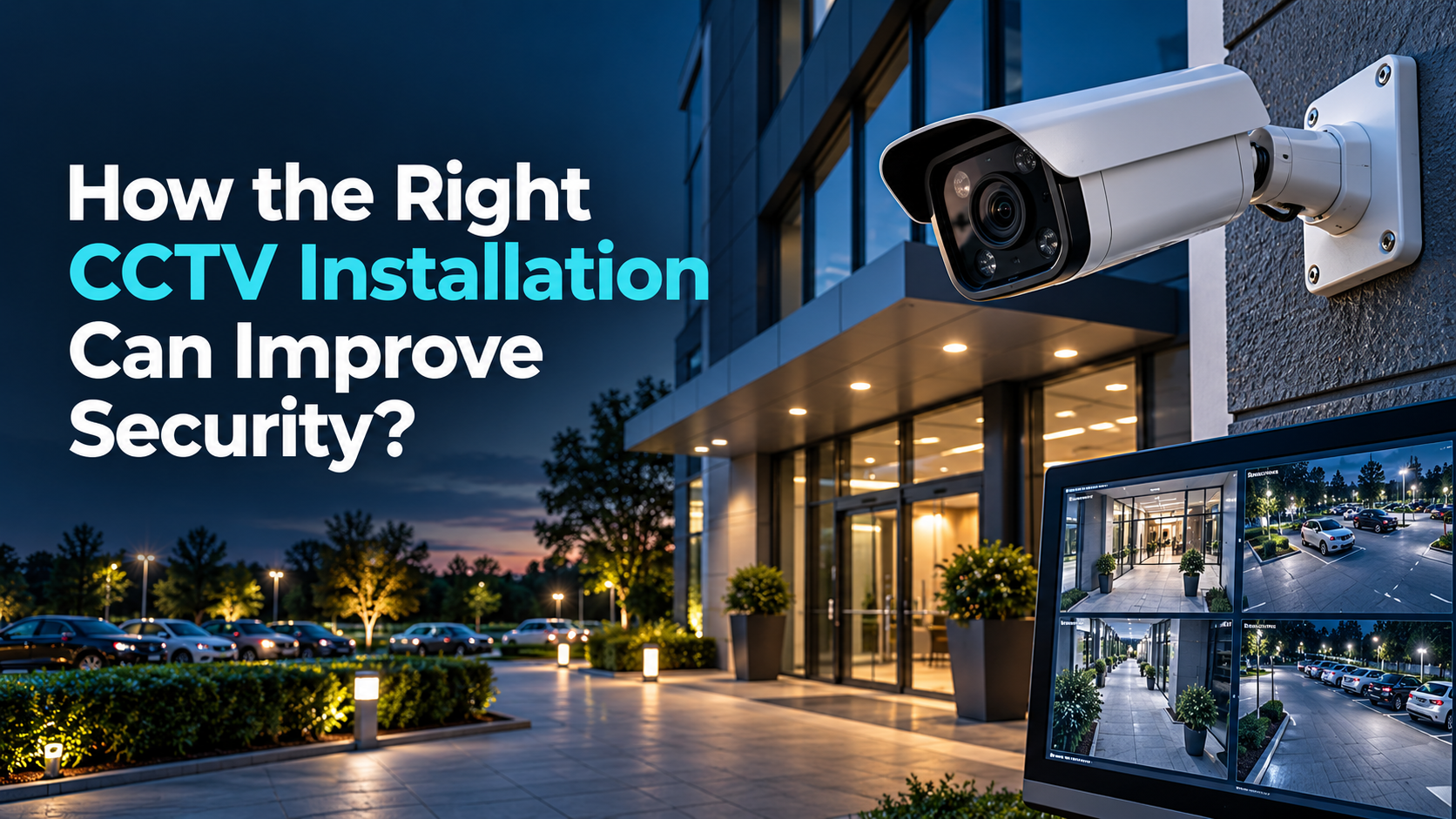
Security cameras can do much more than record an incident after it has happened. When they are positioned properly and matched to the property, they can help you monitor entrances, discourage unwanted activity, keep an eye on vulnerable areas and give you useful evidence when something goes wrong.
That is why choosing the professional CCTV Installation in Rochdale is less about buying a few cameras and more about creating a system that suits the way your property is actually used.
A badly planned system can leave important areas uncovered, produce unclear footage or place cameras where they are difficult to use. A well planned system should give you practical coverage without creating unnecessary complexity.
Start With the Areas That Need Protection Most
Every property has different security concerns. A small house may need clear coverage around the front entrance, driveway and rear garden, while a business may need cameras covering customer entrances, staff access points, stock areas and car parks.
Before thinking about camera models, walk around the property and identify places where an intruder would be most likely to approach, enter or move without being noticed. Doors, gates, side passages, garages and poorly visible corners often deserve more attention than areas that are already easy to observe.
The goal is not to cover every square metre simply for the sake of having more cameras. The better approach is to cover the areas that matter most and make sure each camera provides useful visibility.
Camera Position Matters as Much as Camera Quality
A high resolution camera cannot compensate for poor positioning. A camera pointed directly towards strong sunlight may produce disappointing images at certain times of day. One installed too high may show plenty of movement but provide less useful detail when you need to identify a person.
Think about what you need each camera to capture. An entrance camera may need to show faces clearly, while a driveway camera may need a wider view to cover vehicles and approaching visitors.
Height, angle, distance and lighting all affect the result. Cameras should also be positioned carefully so nearby walls, trees, fences or other structures do not block important parts of the view.
Think About Day and Night Coverage
A security system should not become far less useful when the sun goes down. If your property has activity after dark, night time coverage needs to be considered during the planning stage rather than treated as an afterthought.
Night vision can help cameras continue working when natural light is limited, but the quality of the image still depends on placement and the surrounding environment. Lights, reflective surfaces and the distance between the camera and the area being monitored can all affect what you see.
For a home, this might mean paying particular attention to a back garden, garage or side entrance. For a business, it may include loading areas, staff entrances and external storage spaces.
Decide What You Actually Need to See
It is tempting to choose the highest specification camera available, but more resolution is not automatically the best answer for every location.
Ask what the camera is supposed to do. A camera covering a wide driveway may need broad coverage, while a camera aimed at a single doorway may benefit more from a tighter view that gives clearer detail.
You should also consider how often you are likely to review footage. A useful system should make it reasonably easy to find the relevant recording rather than leaving you with hours of footage that are difficult to search.
Remote Viewing Can Make a CCTV System More Useful
One of the biggest practical advantages of a modern CCTV system is being able to check your property when you are away.
Remote viewing can be useful when you are at work, travelling or simply away from home. You may want to check whether a delivery has arrived, see activity around an entrance or investigate a motion alert without physically being at the property.
The important point is convenience. A system that you rarely use because the controls are confusing is not serving its full purpose. During installation, make sure you understand how live viewing, alerts and playback work.
Motion Alerts Should Be Useful, Not Annoying
Motion detection can help draw attention to activity without requiring you to watch cameras constantly. However, too many unnecessary alerts can quickly become frustrating.
Movement from passing vehicles, trees, pets and other routine activity may trigger notifications depending on how the system is configured.
That is why camera placement and sensible settings matter. The best setup is one that highlights activity worth checking while limiting unnecessary interruptions.
Secure Footage Deserves Serious Attention
Recording video is only useful when the footage can be accessed safely when needed. Storage arrangements should be considered before installation. Depending on the system, footage may be stored locally, through a secure application or using another storage method suited to the property.
Access should also be controlled carefully. Strong passwords, secure accounts and limited access can reduce the risk of someone else gaining access to your recordings.
Remember that CCTV footage can include identifiable people, so you also need to think about your responsibilities when cameras cover areas outside your private property.
Avoid Covering the Wrong Areas
More coverage does not always mean better security. Domestic CCTV can create privacy concerns when cameras capture neighbouring homes, gardens or public areas unnecessarily.
Camera angles should therefore be planned carefully to keep the focus on the areas you have a legitimate reason to monitor.
This is another reason professional planning can be useful. Instead of simply installing cameras wherever there is physical space, the system can be designed around the property’s actual layout and security needs.
Consider Your Property Type
For homes
Homeowners often focus on obvious entry points first. Front doors, rear doors, garages, driveways and side access routes are common areas to consider.
If you have a large garden, detached garage or secluded side path, those areas may need separate attention because they can be harder to observe from inside the property.
For businesses
Commercial properties can require a different approach. You may need coverage for customer entrances, staff doors, tills, stock rooms, reception areas, external storage or parking spaces.
You may also need different levels of access for owners, managers and other authorised users.
The system should reflect how people move through the building rather than simply following a standard camera count.
What Should You Ask Before Installation?
Before agreeing to an installation, ask practical questions rather than focusing only on the number of cameras.
Where will each camera be placed?
What areas will remain outside the field of view?
How will the cameras perform at night?
Can footage be viewed remotely?
How long will recordings be kept?
Where will footage be stored?
Who can access the system?
What happens if a camera or recording device develops a fault?
How will the system be explained to you after installation?
These questions help you judge whether the proposed setup is genuinely useful or simply a collection of equipment.
Professional Installation Can Prevent Small Problems Becoming Big Ones
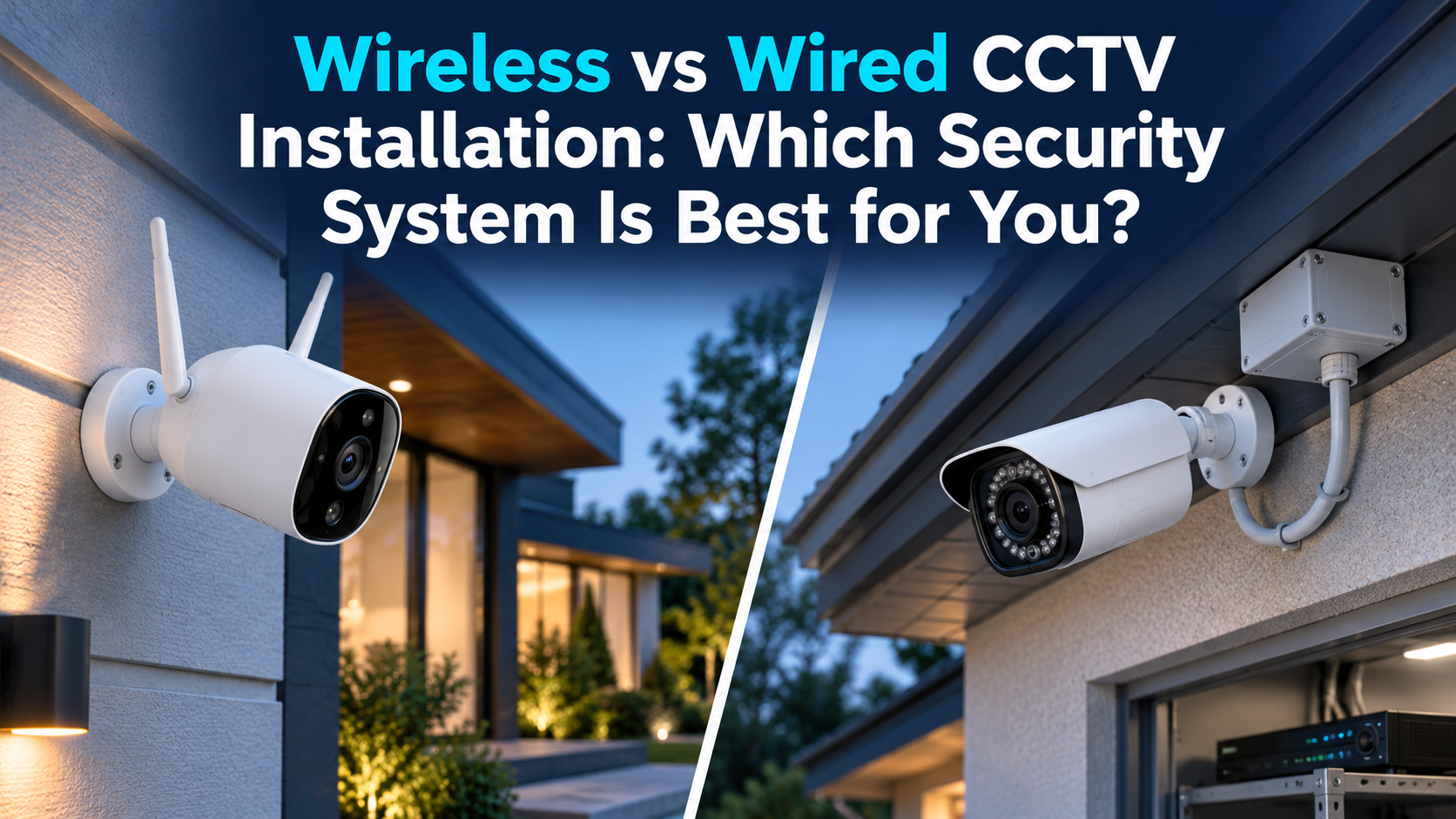
A CCTV system involves more than mounting cameras on walls. Cable routes, power, viewing angles, recording equipment, network connections and user access all need to work together.
Poor cable management can leave an installation untidy and vulnerable. Poor positioning can create blind spots. Incorrect setup can make remote access unreliable or leave users unsure how to manage the system.
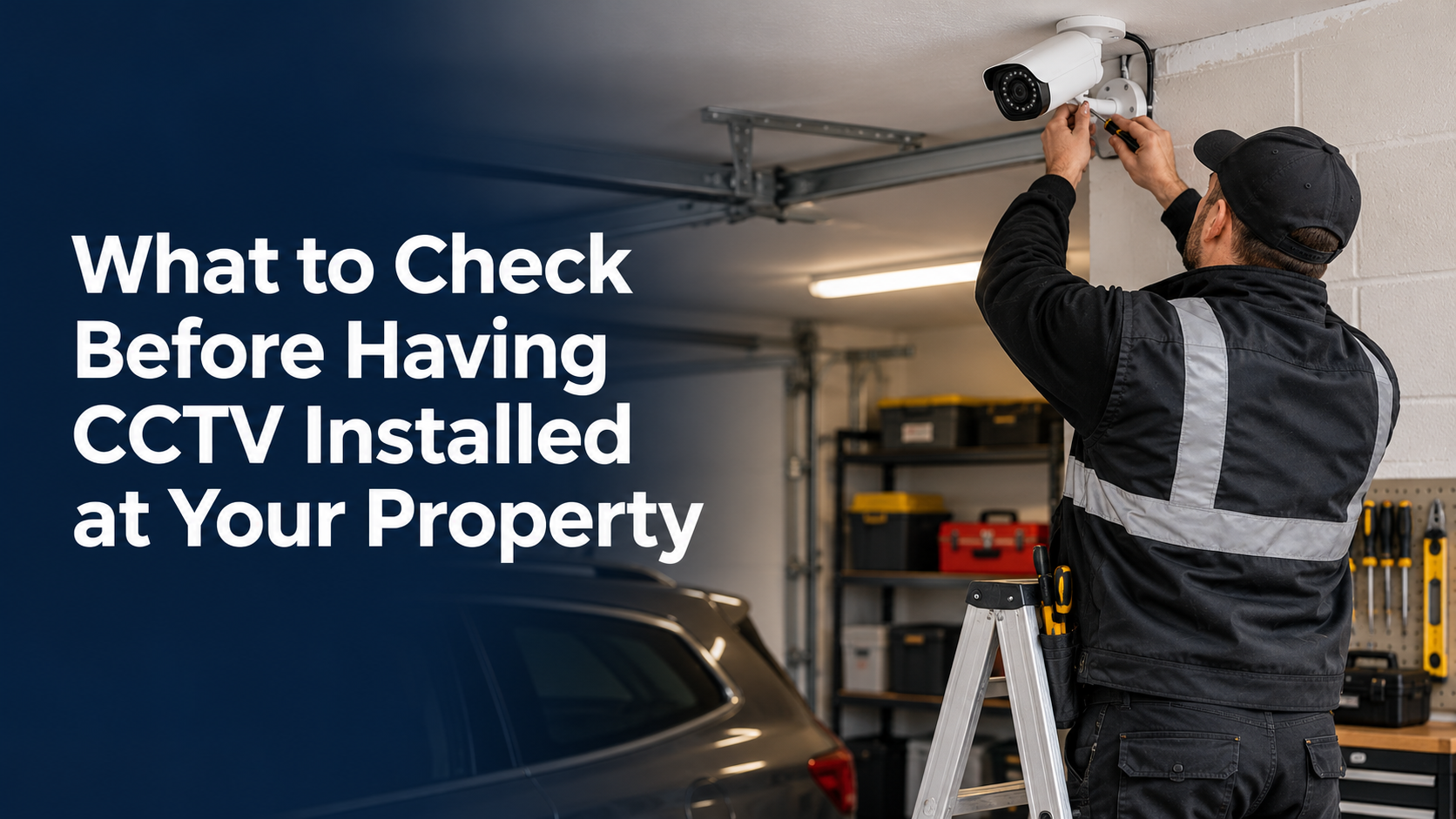
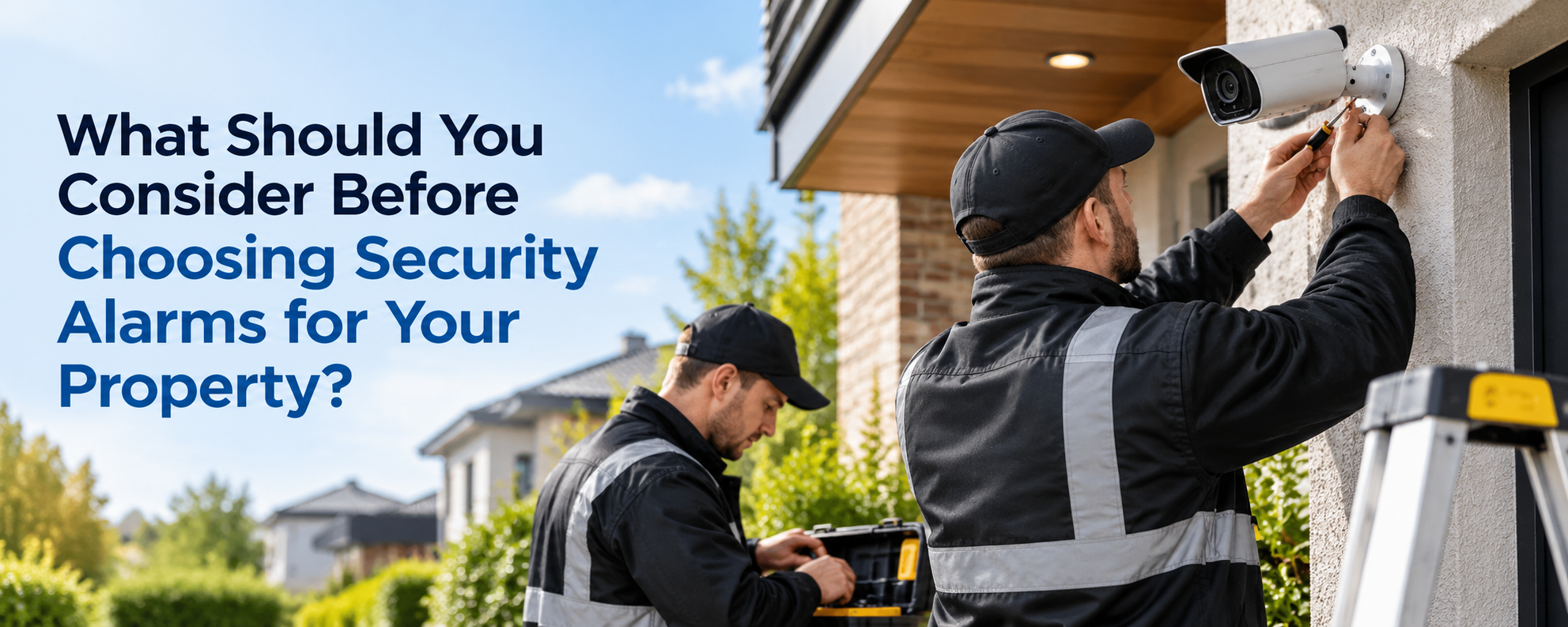
A professional installation should therefore include planning, positioning, testing and a proper handover so you know how to operate the system.
When Should You Upgrade an Existing CCTV System?
Replacing a system is not always necessary, but there are signs that an upgrade may make sense.
You may notice that older footage is too blurry to identify people clearly. Cameras may have limited night visibility, unreliable connections or no convenient remote viewing. You may also have changed the layout or use of the property since the original system was installed.
An upgrade can sometimes improve security without requiring every part of an older setup to be replaced, depending on its condition and compatibility.
The Best CCTV System Is the One You Can Rely On
Good security does not come from owning the most expensive cameras. It comes from having the right coverage, useful image quality, reliable recording and controls that make sense for your daily routine.
Take time to identify vulnerable areas, think about how the property is used after dark and decide what you actually need each camera to capture. Then make sure the system is installed and configured around those requirements.
For homes and businesses, a carefully planned CCTV installation can provide much more practical security than a basic camera setup chosen without considering the property itself.
Final Thoughts
CCTV should give you confidence that important areas of your property are being watched when you cannot be there yourself. The right system combines sensible camera placement, dependable recording, night coverage, remote access and secure handling of footage.
Most importantly, do not start with the question of how many cameras you need. Start with the question of what you need to protect and what you would need to see if something happened. That approach leads to a system that is easier to use, easier to understand and far more useful in everyday life.